
Intermittent Fault Detection & Isolation System™
(IFDIS™)
Test Summary
Report Date: May 2012
GCU Problem
- GCU is the second highest degrader Weapons Replaceable Assembly (WRA) in the United States Navy inventory
- There are intermittent problems in the GCU chassis that the conventional testers cannot find
- A better solution is needed
GCU Solution
- Employ a tester specifically designed to detect and isolate intermittent faults
- Repairing an intermittent circuit is not difficult
- The challenge is detecting and isolating the intermittency
- The IFDIS is such a tester
- Currently configured to test chassis wiring
What is the IFDIS?
- Intermittent Fault Detector developed and patented by Universal Synaptics
- Neural network analog instrument
- Simultaneously and continuously monitors hundreds of circuit paths
- Detects and records even momentary discontinuities as short as 50 nanoseconds
- Shake table
- Environmental chamber
- Interface Test Adaptor (ITA)
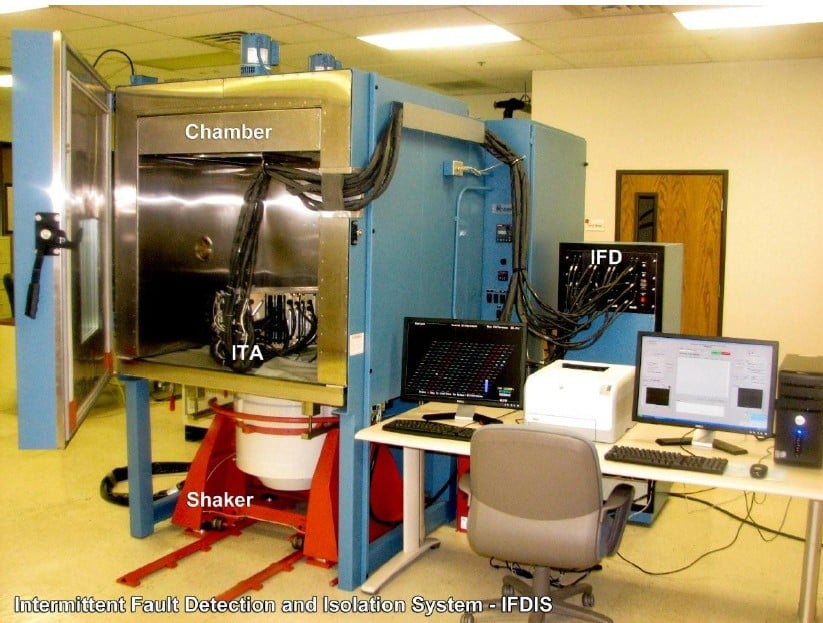
IFDIS Configuration
GCU Test Preparation
- Fabricated adaptor cables to interface the Navy provided Interface Test Adaptor (ITA) to the Intermittent Fault Detector (IFD)
- Received ITA and five GCU chassis
- Fabricated GCU hold down adapter
- Studied schematics and identified GCU connector points to load into the IFDIS
- Assembled the system
- Created a Gold map
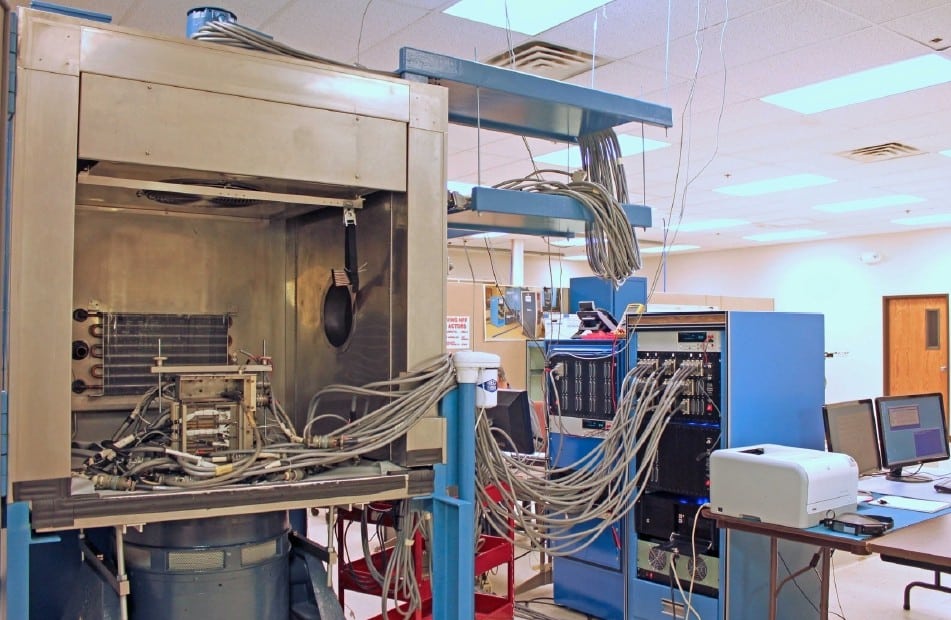
GCU in Chamber Connected to IFDIS
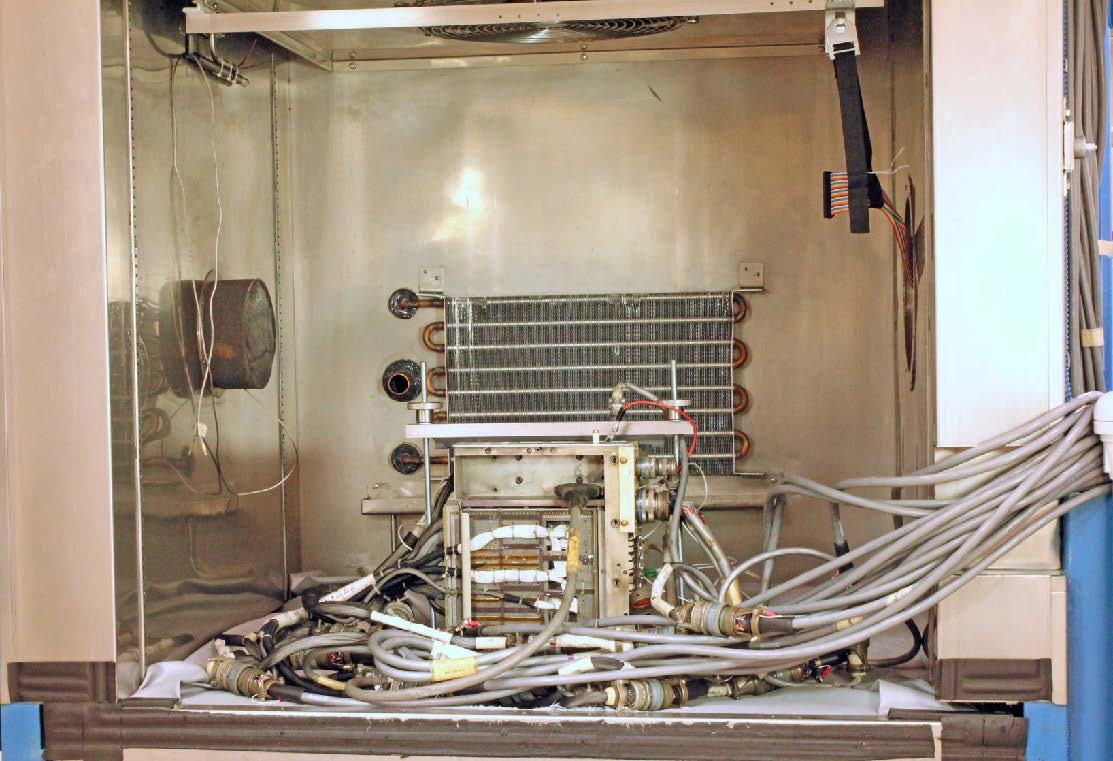
GCU in Chamber
GCU #1 (0314) Test Results
- Continuity – Passed
- Shorts – Passed
- Intermittents – Passed
- This was the first unit we received
- May have been a “Gold” chassis
- Used to create the “Gold” GCU file
GCU #2 Test Results
- Continuity – Passed
- Shorts – Passed
- Intermittents – Failed – XA3-111
- First detected at -22 degrees C at 68 Hz during vibration sine sweep
- Found wire was broken at connector, but the sleeve was holding it in place
- Had experienced micro arcing for some time
GCU #3 Test Results
- Continuity – Passed
- Shorts – Passed
- Intermittents – Failed – XA2-62 and XZ10-7
- XA2-62 found at 0 degrees C and 56 Hz during vibration sine sweep
- XZ10-7 found at -15 degrees C during random vibration profile
- XA2-62 was broken at connector, but the sleeve was holding it in place
GCU #4 (3242) Test Results
- Continuity – Passed
- Shorts – Passed
- Intermittents – Failed – XPS1-36 and XPS1-19
- First detected at -26 degrees C during random vibration profile
- Found wires are broken at connector, but the sleeve is holding them in place
- Wire insulation is degrading near terminals
GCU #5 Test Results
- Continuity – Passed
- Shorts – Passed
- Intermittents – Failed – XA3-89
- First detected at -26 degrees C during random vibration profile
- Found wire is broken at connector, but the sleeve is holding it in place
GCU Testing Summary
- GCU #1 – No problems found
- GCU #2 – One intermittent detected and isolated
- GCU #3 – Two intermittents detected and one isolated
- GCU #4 – Two intermittents detected and isolated
- GCU #5 – One intermittent detected and isolated
Serial Number Tracking
- Recommend that GCU chassis failure and repair data be tracked by serial number
- Enables quick identification of “bad actors” and “good actors”
- Enables comparing Mean Time Between Failure before and after IFDIS testing
- Enables much better asset management
Production GCU IFDIS Test ITA
- Design & Fabricate Form, Fit & Interface simulated SRUs as part of ITA
- Connect to all chassis points
- Mount with production screws – proper torque
- Refine ITA design as appropriate
- Fabricate production ITA
- Design & fabricate production three axis hold down fixture
Next Step
- Continue testing GCUs on IFDIS
- Procure an IFDIS configured to test the F/A-18 GCU and other high NFF boxes
- Other ideas?
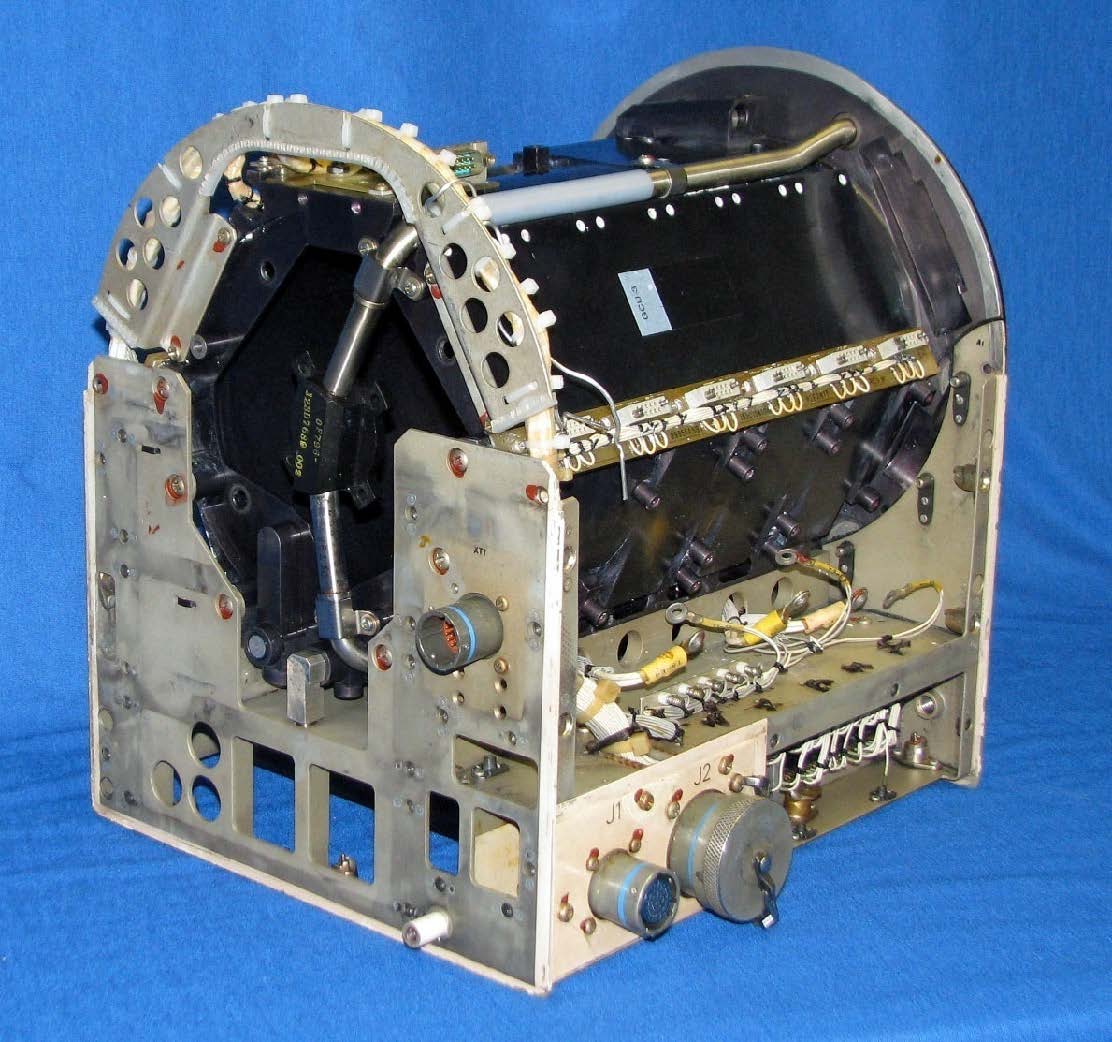
Generator Converter Unit (GCU)
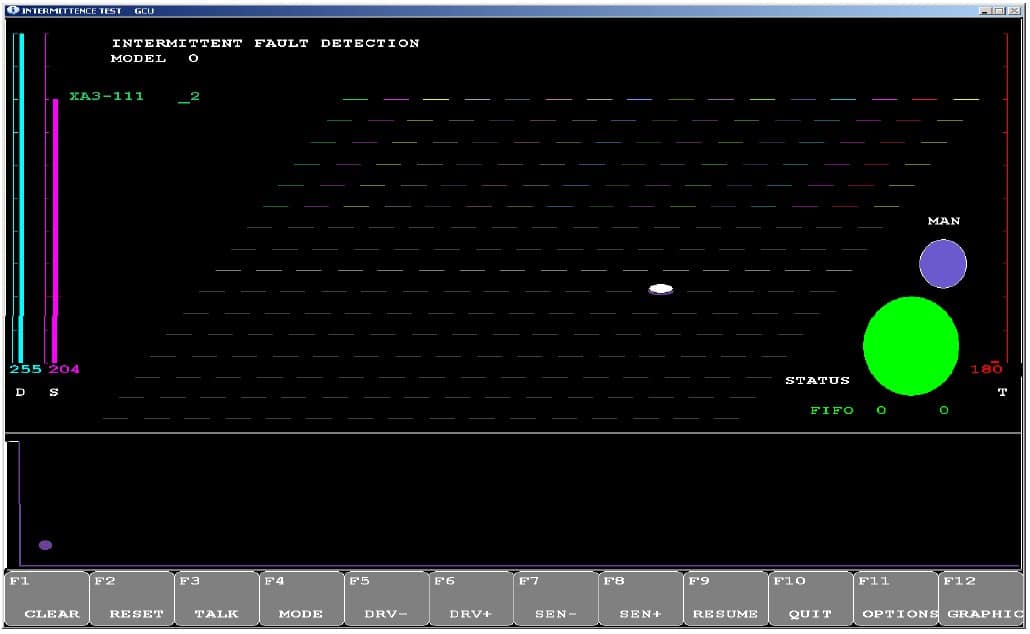
GCU #2 IFDIS Test Screen
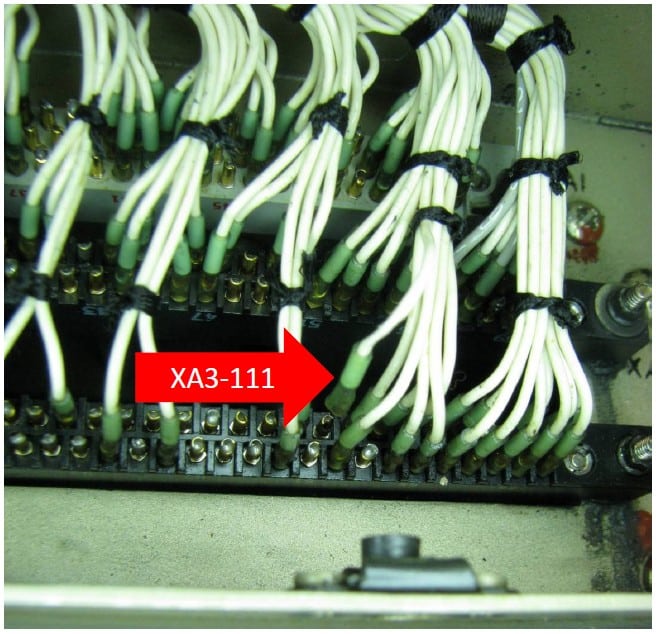
GCU #2 Problem
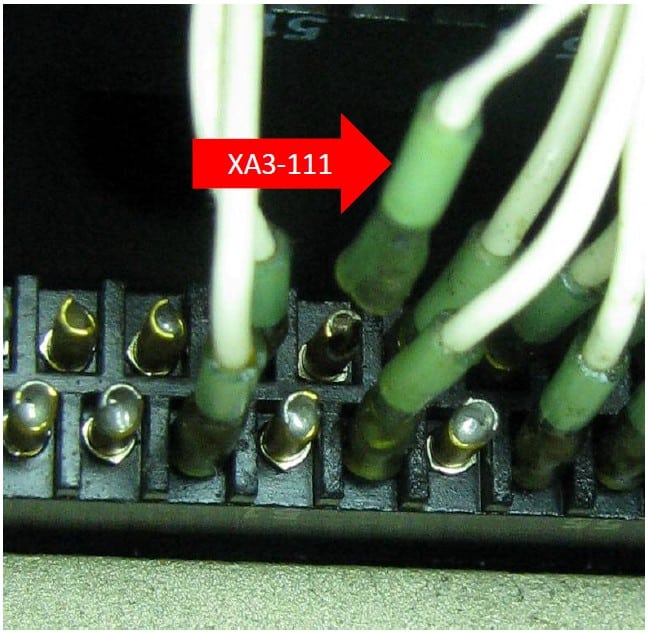
GCU #2 Problem Zoomed
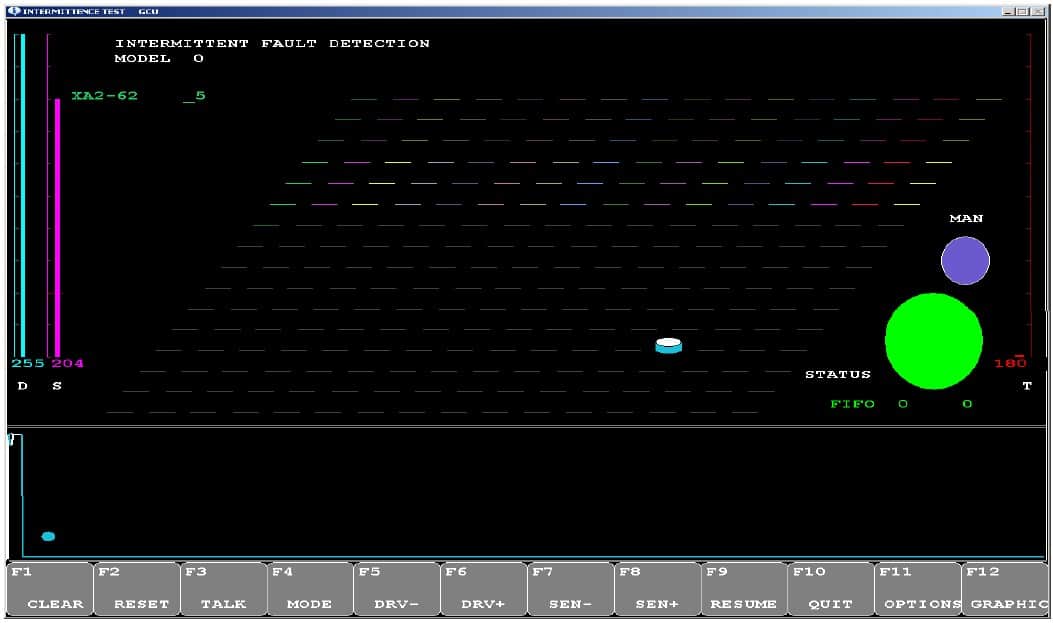
GCU #3 IFDIS Test Screen
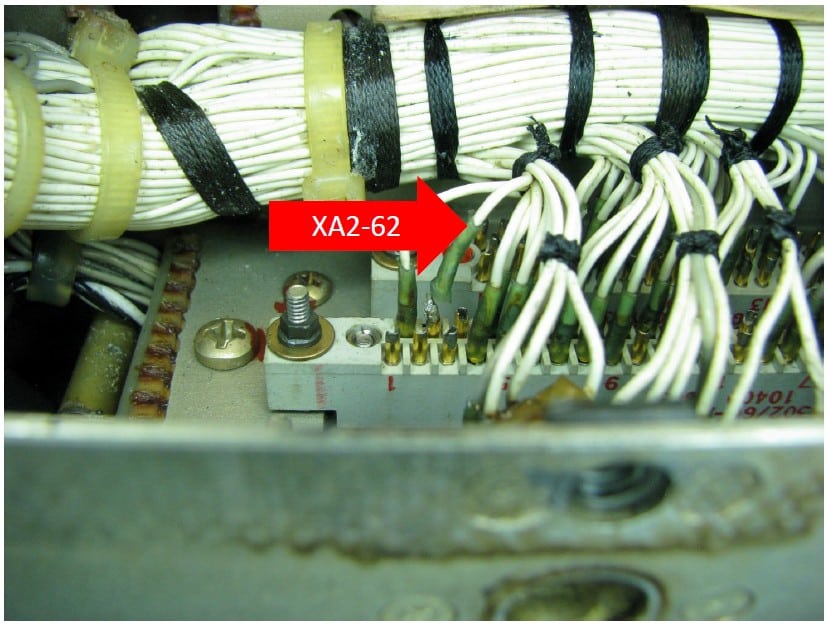
GCU #3 Problem
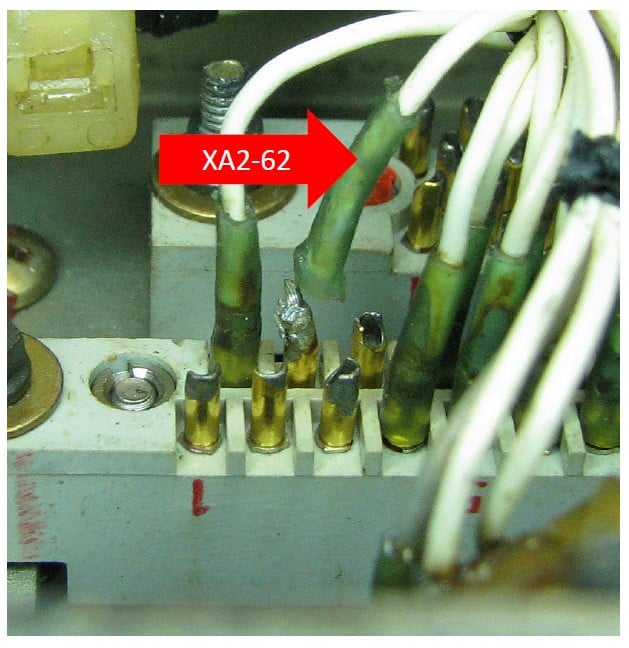
GCU #3 Problem Zoomed
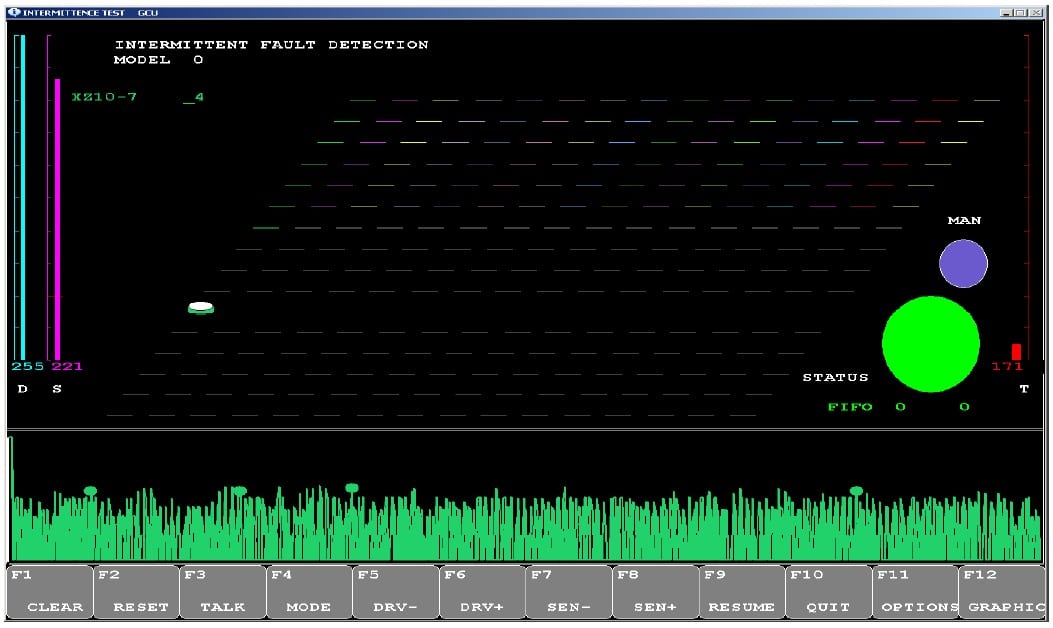
GCU #3 IFDIS Test Screen
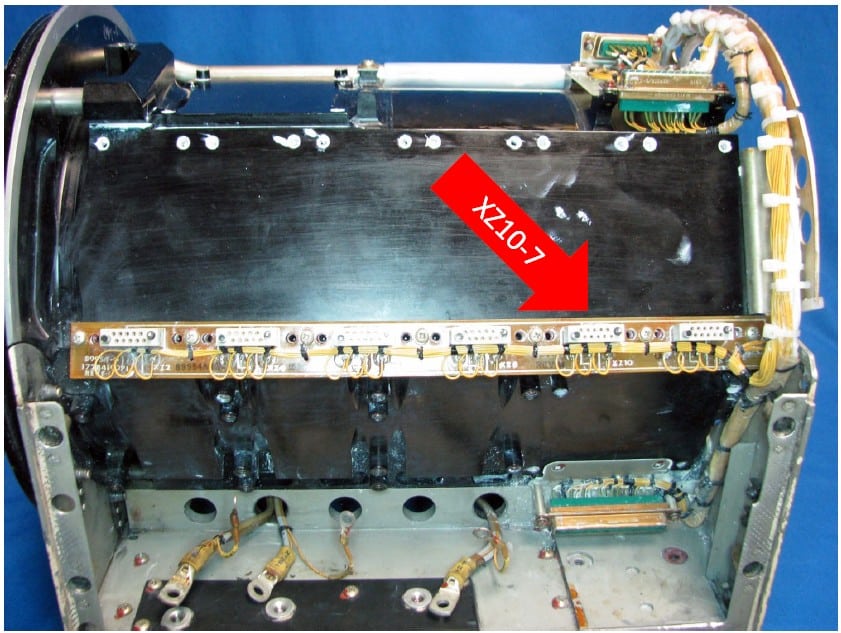
GCU #3 Problem
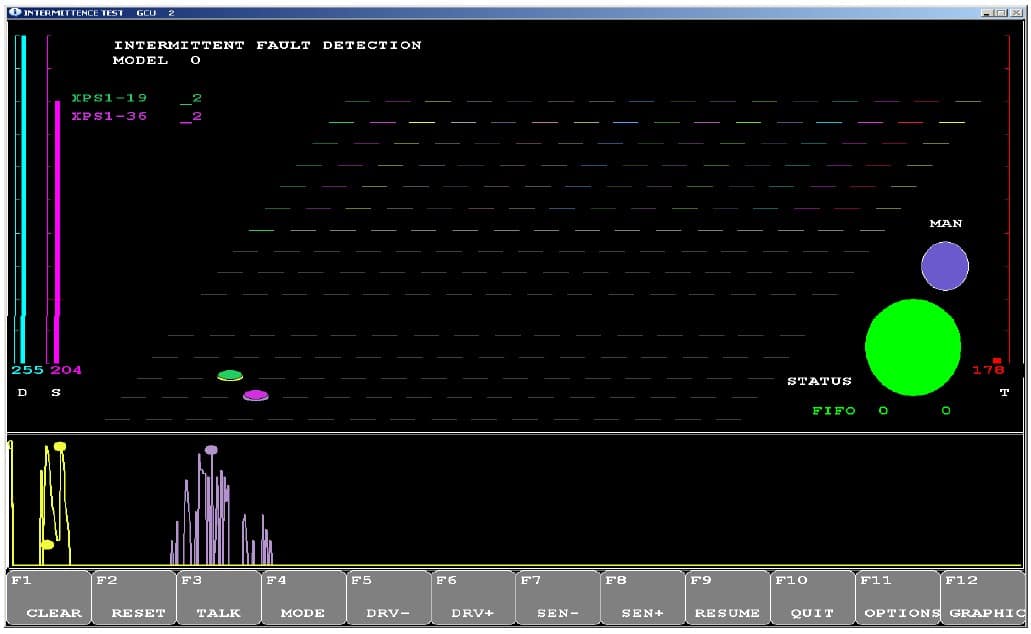
GCU #4 (3242) IFDIS Test Screen
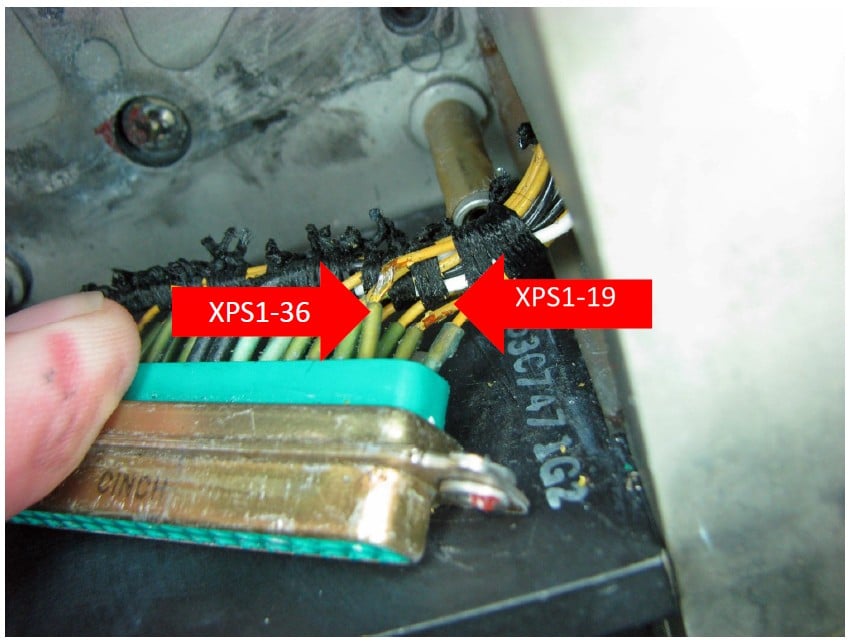
GCU #4 (3242) Problem
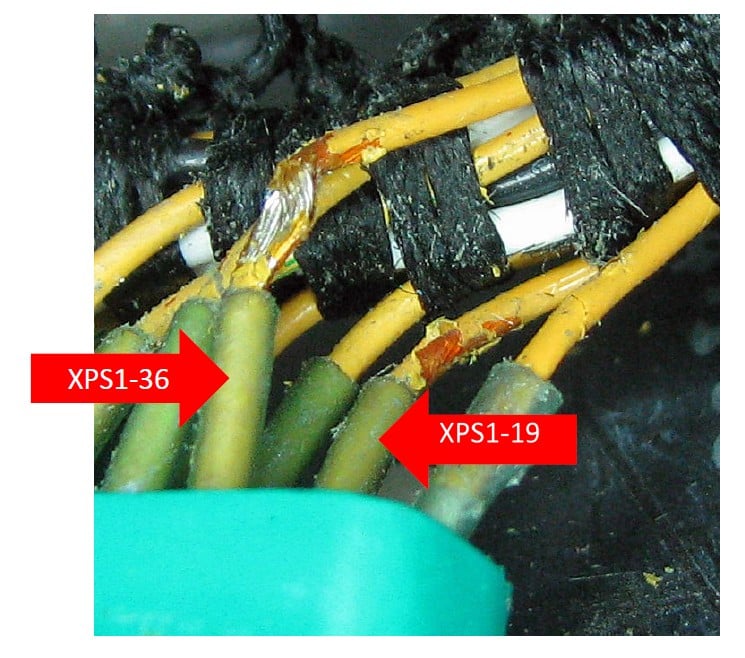
GCU #4 (3242) Problem Zoomed
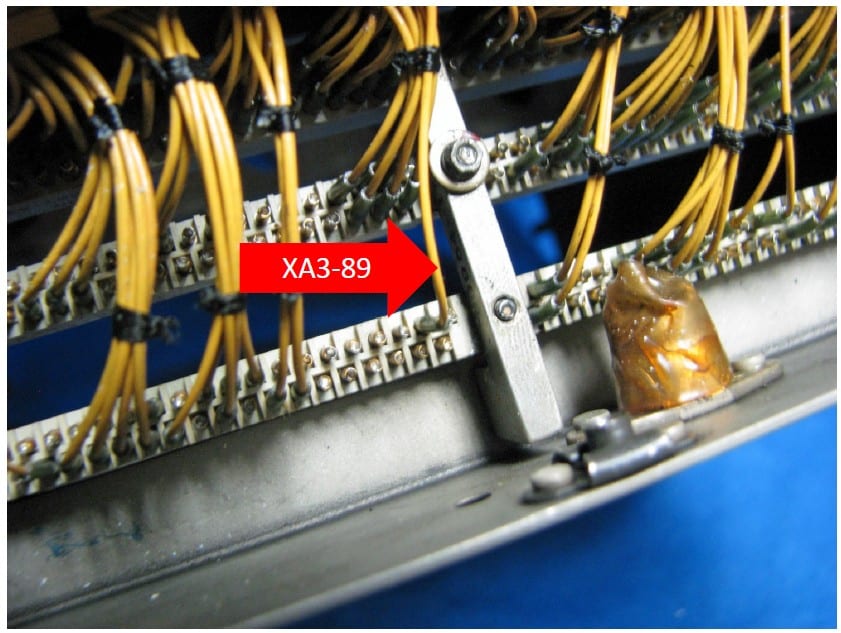
GCU #5 Problem
Intermittent Fault Causes
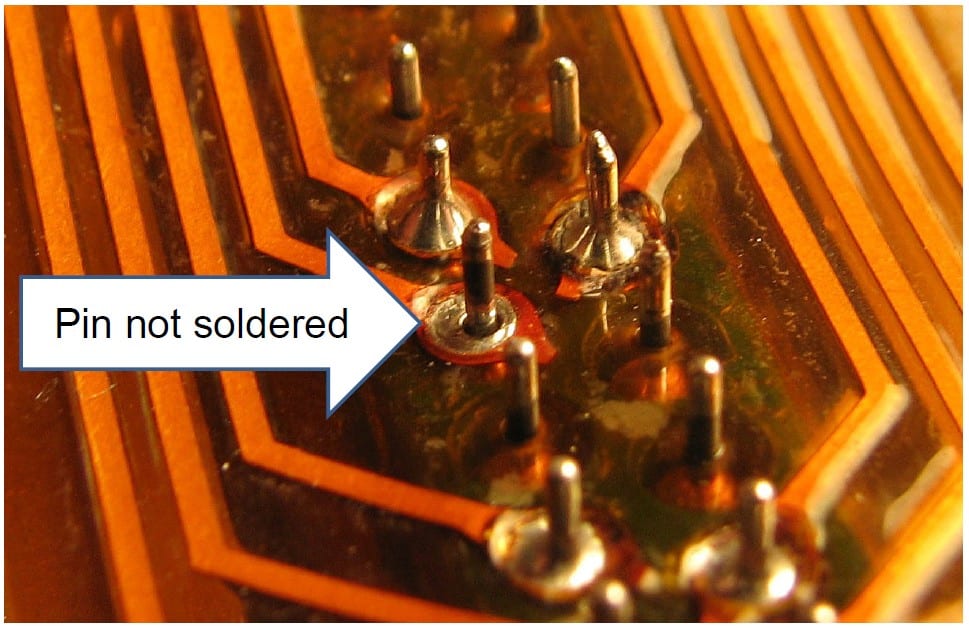
Intermittent Fault Causes – Unsoldered Pin
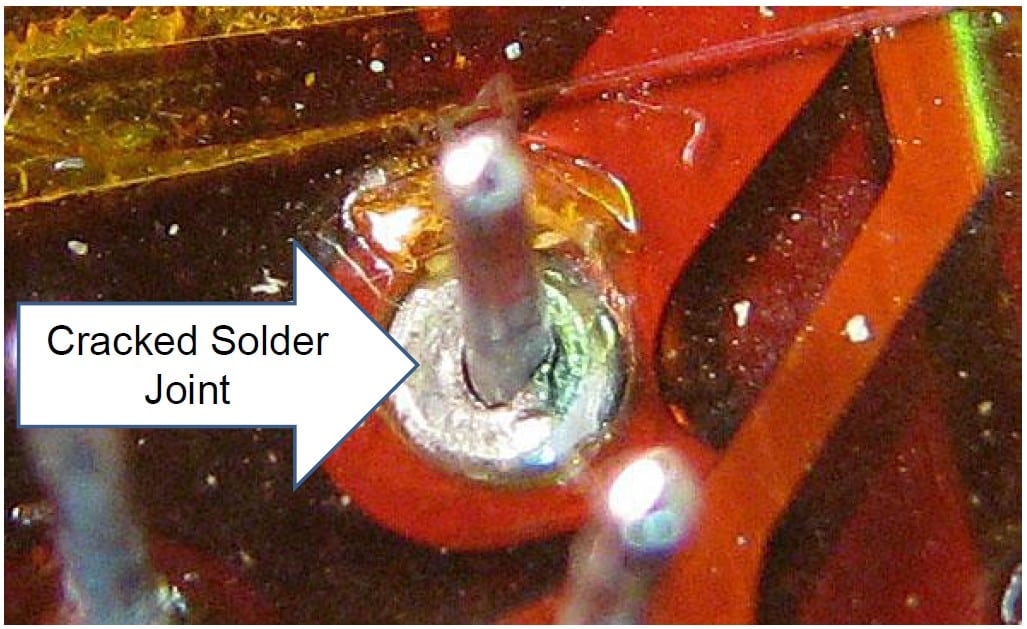
Intermittent Fault Causes – Cracked Solder Joint
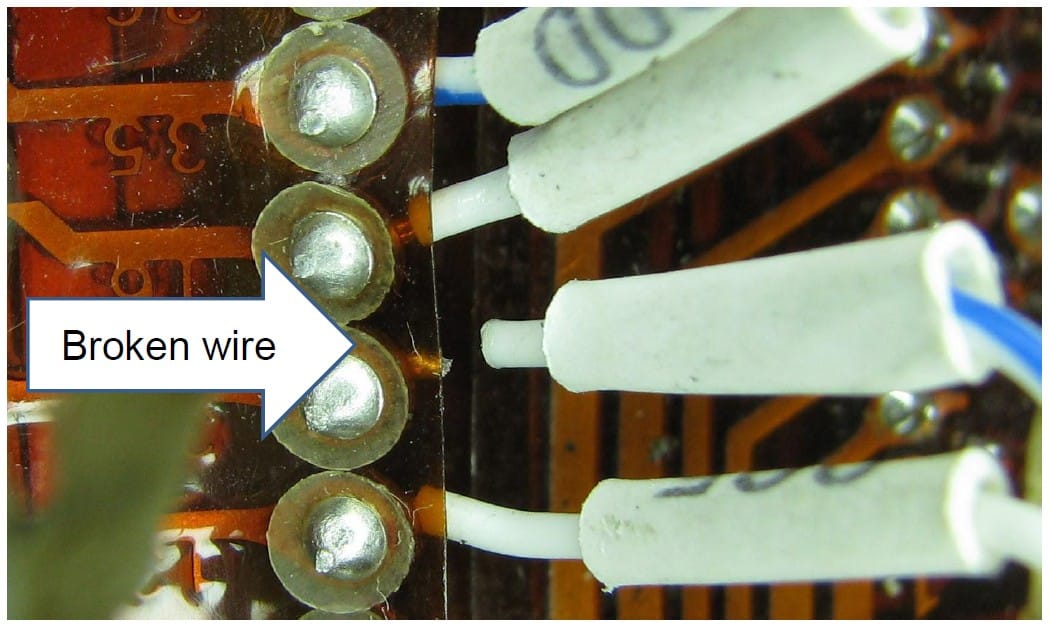
Intermittent Fault Causes – Broken Wire
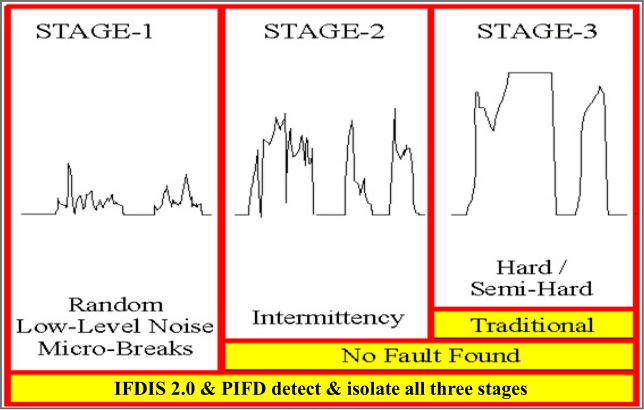
Three Stages of an Intermittent Fault
Stage 1 – random low-level nanosecond microbreaks, likely not operationally evident yet, but on curve of degradation to become Stage 2
Stage 2 – intermittent failure evident to pilot in operation, reported to ground crew, passes ground test and labeled No Trouble Found (NTF) or No Fault Found (NFF), on curve of degradation to become Stage 3
Stage 3 – semi-hard or hard failures, Automatic Test Equipment (ATE) and troubleshooting tools such as DMMs designed to detect hard faults (open circuits or shorted circuits)
Backup Slides
Intermittent Fault Detection Challenge
- Consistent discontinuity (hard failure) can be detected using conventional equipment
- Though it may be difficult to isolate
- Discontinuity is often very short in duration
- Often only seen during stress situations
- High G loading
- Thermal extremes
- Vibration
- Combination of stresses
- Most ground test is done on a workbench at room temperature
- Traditional testers are not designed to detect intermittent faults
The Solution
- Build a tester specifically designed to detect and isolate intermittent faults
- Repairing an intermittent circuit is not difficult
- The challenge is detecting and isolating the intermittency
- The IFDIS is such a tester
- Currently configured to test chassis wiring
Summary
- IFDIS is substantially reducing the MLPRF cost of ownership
- Thus far, over $212,000,000 return on the $2,200,000 investment for the USAF
- This is for one LRU family on the F-16
- There are many LRUs on many aircraft platforms that have intermittent problems
- Anticipate similar results with other units